Comrades Marathon: The Legendary Ultramarathon
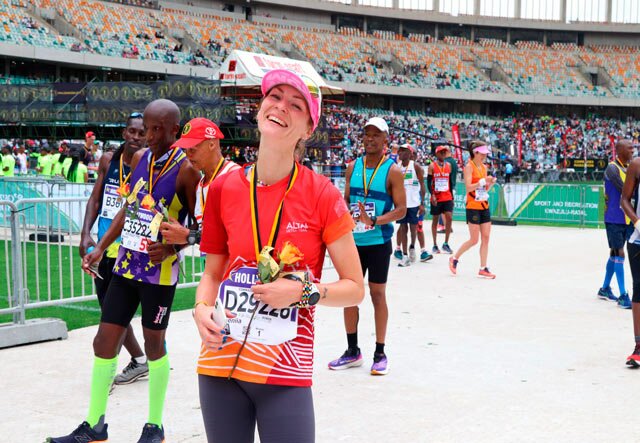
The oldest and largest ultramarathon in the world runs between Durban and Pietermaritzburg since 1921. Comrades Marathon became a cult event, symbolizing human endurance, fellowship and the South African spirit.
Marathon History
Comrades Marathon was founded in 1921 by World War I veteran Vic Clapham as a tribute to fallen soldiers. The first race featured only 34 runners. Since then, the marathon has grown into a mass event with more than 20,000 participants annually.
The distance is approximately 87-90 kilometers depending on direction. The route alternates each year: one year "up" from Durban to Pietermaritzburg, the following year "down" in the opposite direction.
Cult and Traditions
Comrades developed rich traditions. A rooster crows at the start at 5:30am. Runners must finish within 12 hours by the final gun shot at 5:30pm. The drama of final minutes with runners desperately trying to cross the line before closure became legendary.
Medals are awarded based on finishing time: gold for sub-6 hours, silver for sub-7:30, Bill Rowan medal for sub-9, and bronze for all finishers within the limit.
Marathon legends include Bruce Fordyce, who won an unprecedented 9 times, and Frith van der Merwe with record-breaking 46 completions. Their achievements inspire new generations of runners.
Modern Significance
Comrades Marathon gathers runners from around the world, attracting elite athletes and amateurs. The race is broadcast live, drawing millions of viewers across South Africa and internationally.
The marathon strengthens the regional economy with thousands of tourists visiting KwaZulu-Natal. Sponsors invest millions, making the event one of the continent's largest sporting events.
The camaraderie among runners - helping each other reach the finish - reflects the best in human nature. Comrades remains a symbol of endurance, persistence and the South African spirit of overcoming difficulties.