1995 Rugby World Cup: A Moment of Unity
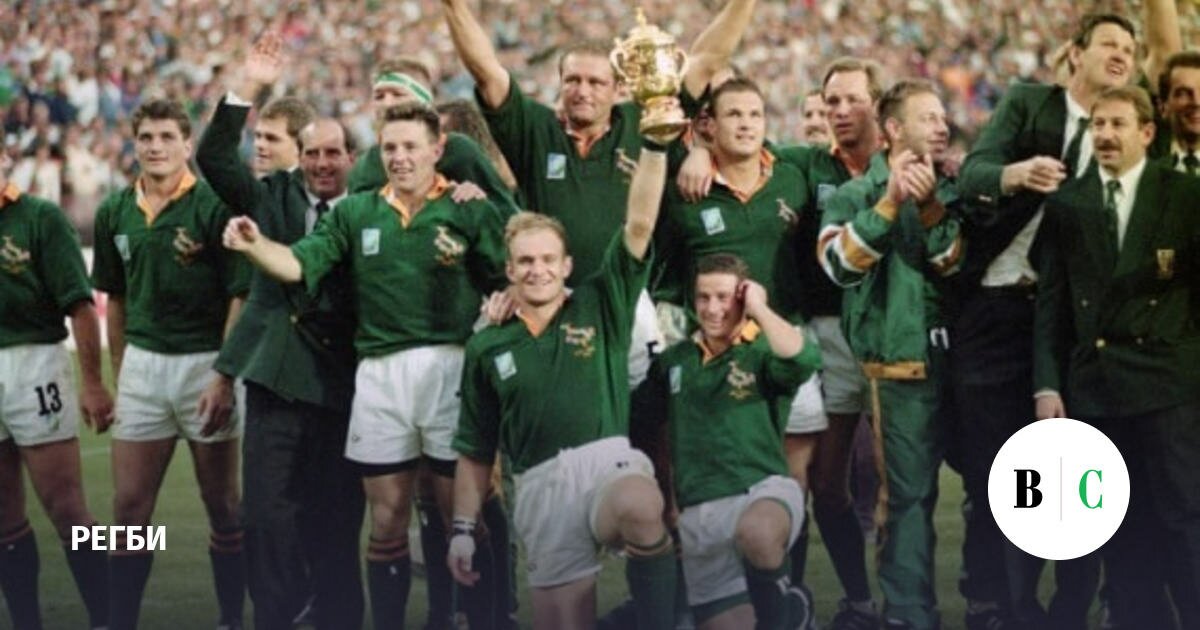
The Springboks' victory at the home 1995 Rugby World Cup became a symbol of the new democratic South Africa and one of the greatest moments in sports history. This tournament demonstrated the power of sport in uniting a divided nation.
Tournament Context
The 1995 Rugby World Cup took place just one year after the first democratic elections in South Africa and Nelson Mandela's inauguration as president. The country was in a state of deep transformation, but racial and social divisions remained sharp.
Rugby was traditionally a sport of the white minority, particularly Afrikaners, and many Black South Africans viewed the Springboks as a symbol of apartheid. There were calls to change the team's name and emblem as remnants of the old regime.
President Mandela made a strategic decision to support the Springboks, seeing in rugby an opportunity for national reconciliation. His slogan "One team, one country" became a unifying call for all South Africans regardless of race.
The Road to the Final
The South African team under the leadership of captain Francois Pienaar and coach Kosta Malan started the tournament as one of the favorites but not the strongest team. New Zealand with their legendary All Blacks was considered the main title contender.
The Springboks went through the group stage without losses, defeating Australia, Romania, and Canada. In the quarter-final, they met Western Samoa in a tense match which ended in a 42-14 victory for the hosts.
The semi-final match against France became one of the most dramatic in World Cup history. After a draw in regular time, the game went to extra time. A drop goal by Jost van der Westhuizen in the final minutes brought South Africa a 19-15 victory and a place in the final.
Final: A Day That Changed the Nation
On June 24, 1995, more than 62,000 spectators gathered at Ellis Park Stadium in Johannesburg for the final match between South Africa and New Zealand. Millions of South Africans watched the broadcast across the country.
Before the start of the match, President Mandela came onto the field wearing a Springboks jersey with captain Pienaar's number. This gesture made an enormous impression at the stadium and across the country. The predominantly white audience at the stadium chanted Mandela's name, which was unthinkable just a few years ago.
The match was incredibly intense and physical. After 80 minutes, the score was 9-9, and the game went to extra time. At the 15th minute of extra time, Joel Stransky scored a drop goal that brought South Africa a 15-12 victory.
The Symbolic Moment
The trophy ceremony became one of the most iconic moments in sports history. President Mandela in a Springboks jersey presented the Webb Ellis Cup to captain Francois Pienaar. Their embrace symbolized reconciliation between previously hostile groups.
Francois Pienaar later recalled Mandela's words: "Thank you for what you've done for our country." To which Pienaar replied: "No, Mr. President, thank you for what you've done for our country." This exchange reflected mutual recognition and respect.
Across the country, people of all racial groups celebrated the victory. Black townships, where rugby was traditionally ignored in favor of football, were caught up in celebration. For the first time, many Black South Africans felt that the Springboks truly represented them.
Long-term Impact
The 1995 victory became a watershed moment in South African history. It demonstrated how sport can overcome racial barriers and create a common identity. Many South Africans point to this moment as the beginning of a genuine sense of national unity.
The events of 1995 were immortalized in John Carlin's book "Playing the Enemy" and the 2009 Hollywood film "Invictus" with Morgan Freeman as Mandela and Matt Damon as Pienaar.
For South African rugby, victory became a new beginning. The team gained legitimacy in all segments of society and incentive for lineup transformation to reflect the country's demographics. The path was long and difficult, but the symbolism of 1995 remains powerful.
Legacy for Sport and Society
The 1995 World Cup set a standard for using sport for social transformation. It showed that sporting events can be catalysts for broader social change and national dialogue.
The tournament's success strengthened South Africa's reputation as capable of hosting major international sporting events, which later led to the successful hosting of the 2010 FIFA World Cup.
For many South Africans, the memory of 1995 serves as a reminder of the possibility of unity and overcoming divisions. In times of social tension and political challenges, the spirit of 1995 is often invoked as an example of what a united nation can achieve.