Rugby History in South Africa: The Springboks Journey
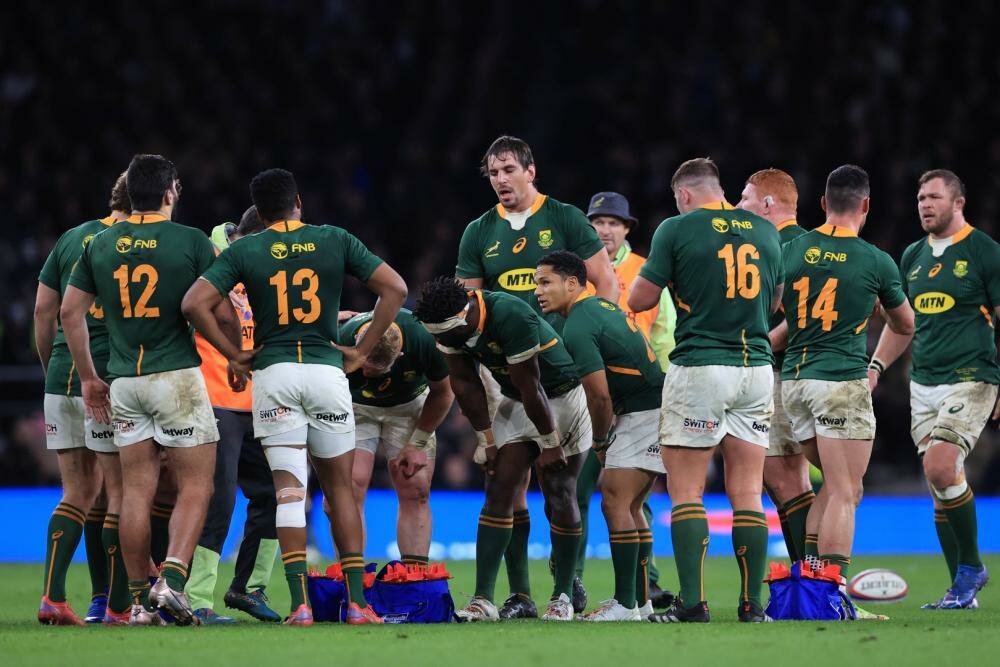
Rugby holds a special place in South African sports and cultural history. The national team, known as the Springboks, has become not only one of the strongest teams in the world, but also a symbol of the country's complex journey from racial segregation to a united nation.
The Origins of South African Rugby
Rugby was introduced to South Africa by British colonists in the mid-XIX century. The first recorded match took place in Cape Town in 1862 between military personnel and civilians. By 1889, the first organized team was formed which participated in an international tour of Great Britain.
The name "Springboks" derives from the springbok antelope, which is the country's national symbol. The emblem depicting a jumping antelope first appeared on the team's uniform in 1906 and has since become a recognizable symbol of South African rugby.
Dominance and International Isolation
In the first half of the XX century, the Springboks proved themselves as one of the world's leading rugby powers. The team regularly won test match series against the British and Irish Lions, New Zealand and Australia. The physical power of the forwards and tactical discipline became distinctive features of the South African style of play.
However, the apartheid policy led to the country's sports isolation. Since the 1960s, South Africa was excluded from international tournaments and deprived of the opportunity to participate in the first Rugby World Cups. This period of isolation lasted for more than two decades and became one of the darkest periods in the history of South African sports.
Return and the 1995 Triumph
After the abolition of apartheid and the first democratic elections in 1994, South Africa returned to the international stage. Symbolically, the 1995 Rugby World Cup was held on home soil for the Springboks.
The final match against New Zealand became a historic moment. President Nelson Mandela, dressed in the captain's uniform of Francois Pienaar, presented the trophy to the winners. This gesture demonstrated how sport can unite a divided nation. The 1995 victory forever changed the perception of rugby in the country.
Modern Era of Success
The Springboks continued the tradition of victories in the XXI century, winning championship titles in 2007 and 2019. The team under coach Rassie Erasmus in 2019 demonstrated impressive play, defeating England in the final with a score of 32-12.
An important aspect of modern South African rugby has been the transformation of the team's composition. If the Springboks were previously composed mainly of white players, today the team reflects the multi-ethnic character of the country. Siya Kolisi, the captain of the 2019 championship team, became the first Black captain of the Springboks, symbolizing a new era of inclusivity in sport.
Impact on South African Society
Rugby in South Africa goes beyond simple athletic competition. This sport has become a platform for social change and national dialogue. Rugby development programs in Black townships help talented youth get education and build careers.
The Springboks' success on the international stage strengthens national pride and creates a unifying effect in a country where racial and economic divisions are still felt. National team matches gather millions of viewers from all racial and social groups, creating rare moments of national unity.
The South African rugby style, characterized by physical power, tactical discipline, and unbreakable team spirit, reflects the character of a nation that has gone through serious trials. The Springboks remain not only a sports team, but also a symbol of hope, overcoming, and national identity.