FIFA 2010: First World Cup in Africa
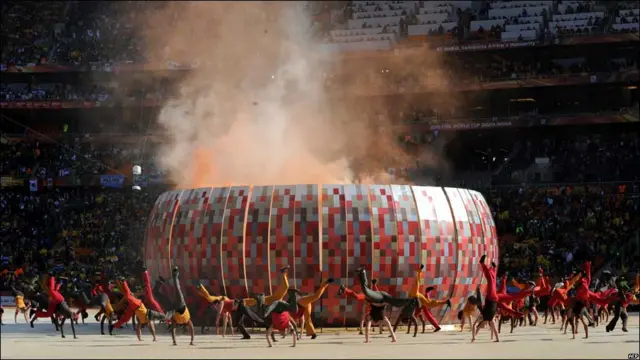
South Africa became the first African country to host the FIFA World Cup in 2010. This historic event became the culmination of decades of efforts by the continent to gain the right to host the world's largest sporting tournament and demonstrated Africa's ability to organize world-class events.
The Road to Hosting Rights
South Africa's bid to host the 2010 World Cup was part of a broader desire of the African continent to host the tournament. In 2004, FIFA decided in favor of South Africa, winning the bid competition against Morocco and Egypt.
The decision was met with enthusiasm across the continent, but also with skepticism from some international observers who doubted an African country's ability to handle the logistical and organizational challenges of such a large-scale event.
FIFA President Sepp Blatter and South African President Thabo Mbeki were key figures in lobbying the bid. The promise of developing football infrastructure and legacy for all of Africa was a central argument of the bid.
Preparation and Infrastructure Investment
Preparation for the tournament required unprecedented investment in sports and transport infrastructure. Five new stadiums were built, and five existing ones were significantly modernized, with total spending exceeding 3 billion dollars.
Soccer City Stadium in Johannesburg was completely rebuilt and became the central venue for the tournament. Its unique design, inspired by the African calabash (gourd), became an architectural icon. The stadium hosted the opening ceremony, the first match and the final.
Significant investment was made in public transport, particularly in the Gautrain system, a high-speed railway connecting Johannesburg, Pretoria, and the airport. Improvements to roads, airports, and security systems changed the urban landscape of host cities.
Tournament Conduct
The tournament took place from June 11 to July 11, 2010, in nine cities across the country. Contrary to security and organizational concerns, the World Cup went smoothly and was recognized as an organizational success.
The atmosphere at stadiums and across the country was festive and hospitable. The sound of vuvuzelas, traditional South African plastic pipes, became a defining feature of the tournament, though they caused controversy due to constant noise.
More than 3 million spectators attended matches, and billions watched broadcasts worldwide. Security was maintained at a high level, and there were no significant incidents, dispelling critics' concerns.
Performance of Bafana Bafana Team
The South African national team Bafana Bafana made history by becoming the first host team not to advance from the group stage. Despite losses to Uruguay, Mexico, and France, the team showed moments of quality and passion.
A 2-1 victory over France in the final group match became a historic achievement, though insufficient to advance to the playoffs. Captain Aaron Mokoena and forward Siphiwe Tshabalala became national heroes for their performances.
Despite early elimination, support for Bafana Bafana from South African fans remained strong throughout the tournament. The slogan "Feel It, It Is Here" reflected the nation's pride in hosting such a large-scale event.
Cultural and Social Impact
The 2010 World Cup became a source of enormous national pride for South Africans and the entire African continent. The successful organization contradicted stereotypes about African capabilities and demonstrated the potential of the continent.
The tournament united the country in a way unseen since the 1995 Rugby World Cup. South Africans of all races and social classes united in supporting the event and welcoming international guests.
The cultural program around the tournament highlighted the richness of African culture, music, and art. The opening ceremony featuring legendary African musicians was a vibrant celebration of the continent.
Economic Impact and Legacy
The economic impact of the tournament was significant, though debatable. Official estimates indicated the creation of 130,000 jobs and a contribution of 3.6 billion dollars to GDP. Tourism received a significant boost with visits from about 310,000 foreign fans.
The long-term legacy includes modern stadiums and improved transport infrastructure. However, some stadiums faced sustainability problems after the tournament due to high maintenance costs and insufficient use.
The tournament raised South Africa's international profile as a tourist destination and place for international conferences and events. The success of the organization strengthened the country's confidence in its ability to host major events.
For African football, the 2010 World Cup became a milestone, demonstrating the growing importance of the continent in world football. The legacy of the event continues to inspire football development in South Africa and across Africa.