Sports Isolation During Apartheid
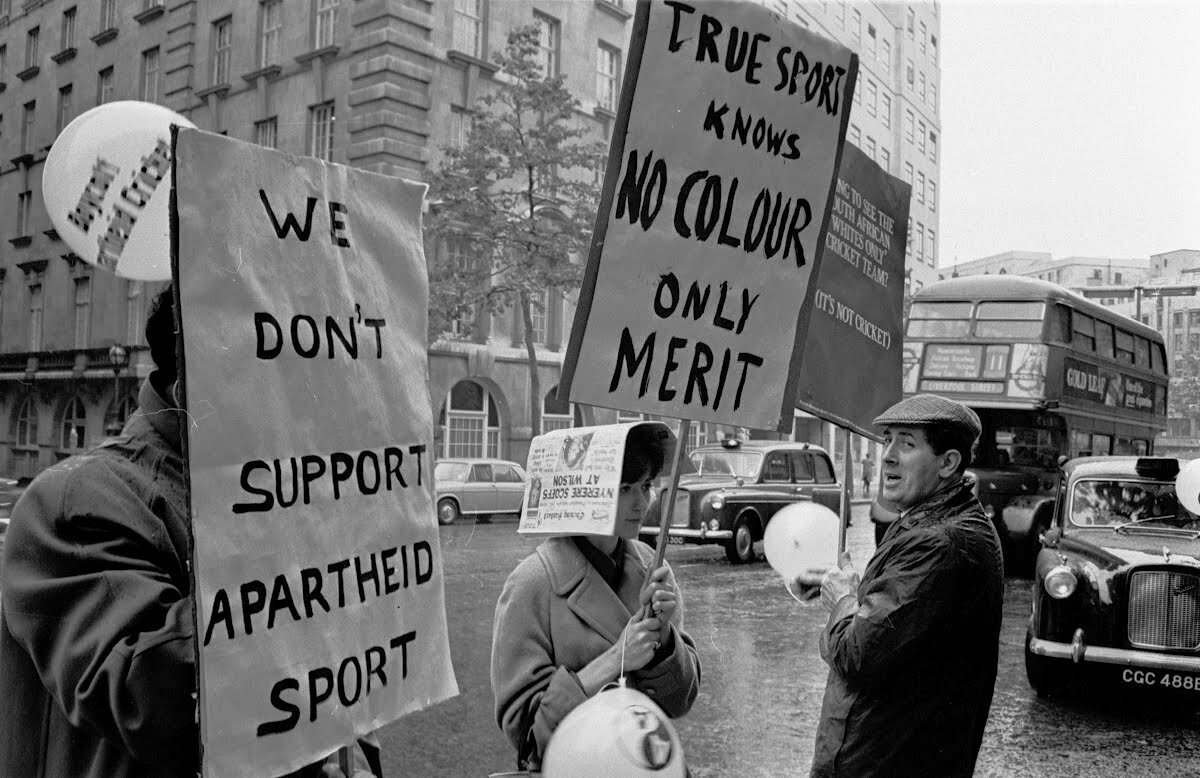
The apartheid period led to the international isolation of South African sports for several decades. This isolation became one of the most effective tools of international pressure on the apartheid regime and had a deep impact on sports development in the country.
The Beginning of Sports Isolation
The policy of racial segregation in South African sports attracted international attention in the 1950s. Separate sports associations for different racial groups and the ban on mixed competitions contradicted the Olympic principles of non-discrimination.
The first calls for a boycott of South African sports emerged at the end of the 1950s. African and Asian countries began refusing to participate in competitions with South African teams, demanding that international sports organizations take action.
In 1964, South Africa was excluded from the Olympic Games in Tokyo. The International Olympic Committee, under pressure from third world countries and progressive organizations, was forced to take a principled position against apartheid in sports.
Expansion of Isolation
In subsequent years, isolation expanded to all major sports. FIFA suspended South Africa's membership in 1964, completely excluding the country in 1976 after the Soweto uprising.
Cricket faced a boycott in 1970 when a planned England team tour was cancelled due to protests against the inclusion of only white players in the South African team. Subsequent attempts at illegal tours led to sanctions against participating players.
Rugby, traditionally a strong sport in South Africa, also suffered from isolation. Although complete exclusion from international rugby did not occur, many countries refused to play against the Springboks. Tours of South African teams were accompanied by large-scale protests.
Impact on Athletes and Sports Development
Isolation deprived an entire generation of South African athletes of the opportunity to participate in Olympic Games and World Championships. Talented athletes reached peak form during a period when they could not compete on the international stage.
Some athletes emigrated or obtained citizenship of other countries to continue their international career. Zola Budd, an outstanding runner, obtained British citizenship to participate in the 1984 Olympic Games, which caused significant controversy.
Sports development in the country stalled without international competition. South African teams and athletes could not compare their level with world standards, which led to lagging behind in some sports.
Attempts to Circumvent Isolation
South African sports organizations and the government made various attempts to circumvent isolation. "Rebel" tours were organized with large payments to foreign players and teams who agreed to come to South Africa.
These tours were particularly common in cricket and rugby. Players participating in such tours often received lifetime or long-term disqualifications from their national associations, making participation a career risk.
Attempts to create multi-racial teams in the late 1970s and 1980s were rejected by the international community as cosmetic changes that did not address the fundamental issues of apartheid. The requirement was clear - complete abolition of apartheid.
The Role of Sports Isolation in the Fall of Apartheid
Sports isolation proved to be an especially effective form of pressure, as it affected the white minority for whom sport, especially rugby and cricket, was an important part of cultural identity.
The impossibility of competing on the international stage created psychological pressure and highlighted the international isolation of the regime. This contributed to the growth of understanding among part of the white population of the need for political change.
Sports organizations became among the first institutions to begin the process of desegregation in the late 1980s, anticipating political reforms. The unification of racially separated sports associations became an important step towards national reconciliation.
Return to the International Stage
After Nelson Mandela's release in 1990 and the beginning of the democratization process, international sports organizations began gradually lifting sanctions. The South African cricket team made its first international tour in 1991.
The participation of a unified, multi-racial South African team in the 1992 Cricket World Cup symbolized the country's return to the international sports community. The reception was enthusiastic, reflecting hopes for a new democratic South Africa.
The 1992 Olympic Games in Barcelona became the first Games with South African participation in 32 years. The emotional return of South African athletes to the Olympic stage became one of the landmark moments of the Games.
The legacy of sports isolation continues to influence South African sports. Efforts to transform and ensure racial diversity in national teams reflect the desire to overcome the legacy of apartheid and create a truly inclusive sports culture.