Surfing and Ocean Coastal Culture
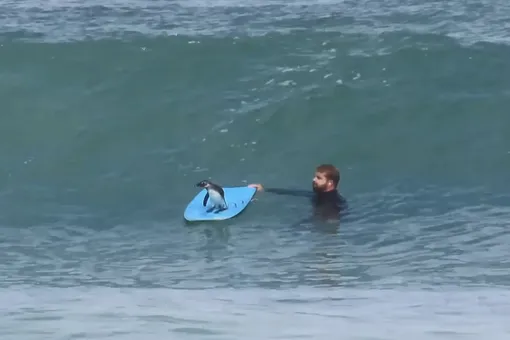
South Africa's nearly 3000-kilometer coastline offers some of the world's best conditions for surfing, forming a unique sports culture. From the cold Atlantic waves of the Western Cape to the warm Indian waters of KwaZulu-Natal, the country has become a magnet for surfers from around the world.
Geography of Surfing in South Africa
South Africa has diverse surf spots, each with unique characteristics. Jeffreys Bay in the Eastern Cape is considered one of the world's best point breaks, producing perfectly shaped right-hand waves that can extend for hundreds of meters.
Durban on the eastern coast offers warm water and consistent surf year-round. This city has become a center for surfing development among Black populations due to beach accessibility and warm climate.
The western coast near Cape Town is famous for powerful and cold waves requiring experience and courage. Spots like Dungeons and Sunset in Kommetjie attract experienced surfers ready to face extreme conditions.
History of Surfing and Cultural Development
Surfing came to South Africa in the early XX century, but the real boom happened in the 1960s and 1970s. American and Australian surfers traveling in search of new waves discovered the immense potential of the South African coast.
During apartheid, surfing remained predominantly a white sport due to racial segregation of beaches. After the country's democratization, surfing became more accessible to all racial groups, although demographic imbalance is still noticeable.
Organizations like Waves for Change use surfing as a therapeutic tool for children from disadvantaged areas, helping overcome trauma and develop life skills. These programs contribute to diversifying the surfing community and social integration.
Professional Surfing and International Recognition
South Africa has produced several world champions in surfing. Shaun Tomson dominated professional surfing in the late 1970s, winning numerous world tour events. His technique and riding style influenced a generation of surfers.
Modern South African surfers like Jordy Smith regularly participate in the WSL World Tour. Jordy is known for his powerful big-wave riding and has repeatedly made it into the top 10 world rankings.
The J-Bay Open, a WSL World Tour event held in Jeffreys Bay, is one of the most prestigious events in professional surfing. The competition attracts the world's best surfers and thousands of spectators, strengthening South Africa's reputation as a world-class surf destination.
Dangers and Unique Challenges
Surfing in South African waters is associated with certain risks, the main one being the presence of great white sharks. Waters around Cape Town and the Eastern Cape are known for high concentrations of these predators, requiring increased caution from surfers.
Various safety measures have been developed, including boat patrols, shark nets, and electronic deterrents. Despite the risks, surfers continue to conquer South African waves, accepting danger as part of the experience.
Cold water on the Atlantic coast requires the use of wetsuits even in summer. Water temperature can drop to 10-12 degrees Celsius, creating additional physical stress on the body.
Environmental Awareness and Ocean Conservation
South Africa's surfing community actively participates in protecting the marine environment. Organizations like Surfers Not Street Children and Clean C conduct regular beach cleanups and educational programs on ocean conservation.
Surfers often become the first witnesses to ocean pollution and changes in marine ecosystems. Their voices are important in debates about marine planning, coastal protection, and sustainable tourism.
Sustainable approach to surfboard manufacturing is gaining popularity, with local shapers using environmentally friendly materials and production methods.
Surf Culture and Lifestyle
Surfing in South Africa is more than just a sport; it's a lifestyle and culture. Coastal towns like Muizenberg, Ballito, and Jeffreys Bay have developed a unique surf culture with cafes, shops, and communities centered around the ocean and waves.
Surf tourism has become an important sector of the coastal regions' economy. Surf camps and schools offer training for beginners and accommodation for travelers, creating jobs and promoting local development.
Surf festivals and competitions bring together the community, celebrating the passion for the ocean and waves. These events often include music, art, and educational components, reflecting the multifaceted nature of surf culture.