Western Cape Sports Traditions
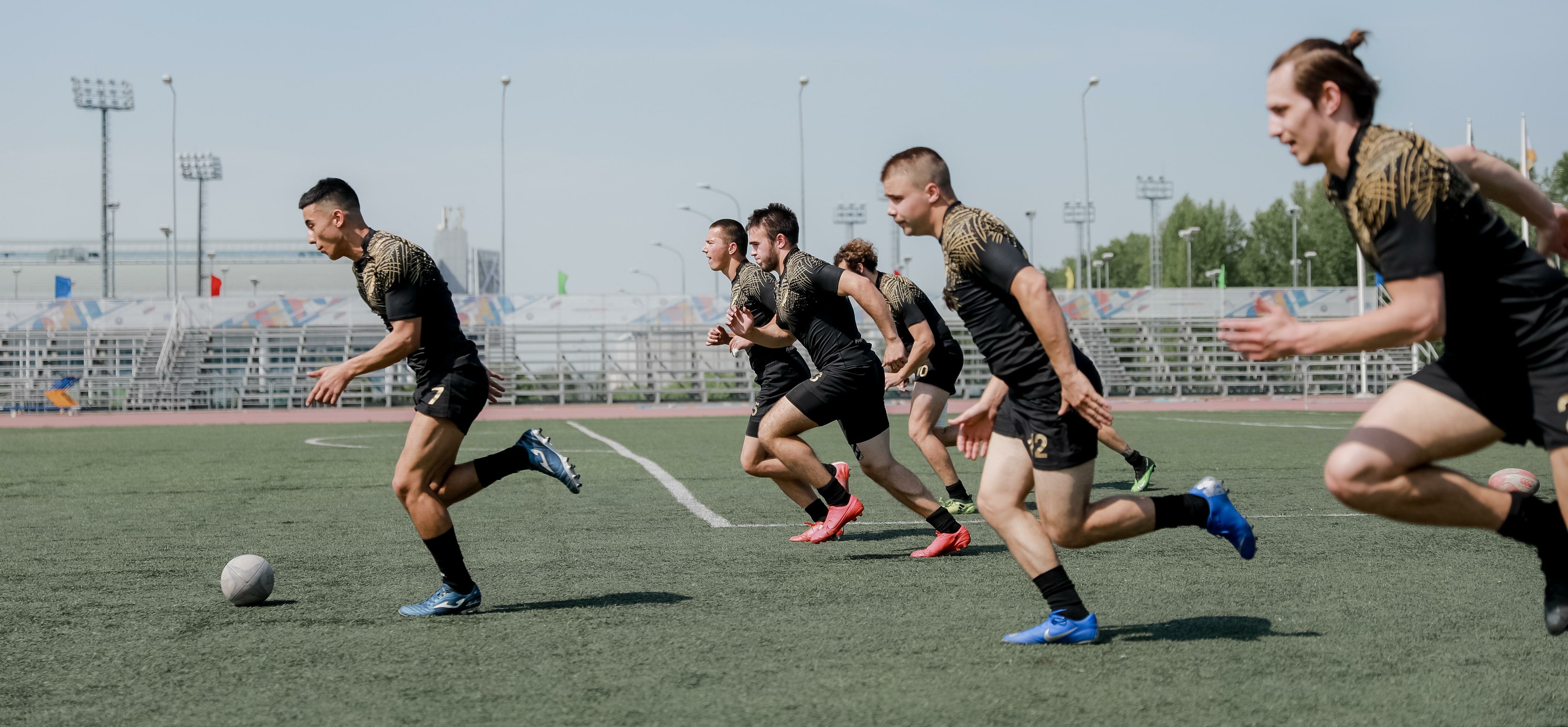
Cape Town and its environs are famous for developed rugby, cricket and water sports. The province's unique geographic location, surrounded by two oceans and mountains, created a rich sports culture with diversity of disciplines.
Rugby in the Western Cape
The Western Cape is one of the centers of South African rugby. The Western Province team and its professional franchise Stormers in Super Rugby represent the province at national and international levels. Newlands Stadium was the historical home of rugby in Cape Town before moving to Cape Town Stadium.
Rugby is deeply rooted in the province's school system. Prestigious schools like Bishops, SACS and Paul Roos produce talented players, many of whom reach national level. Interschool derbies gather thousands of spectators and are important social events.
The province produced many Springboks, including legends like Joel Stransky, John Smit and recent stars like Damian de Allende. The physical and tactical style of play of Western Province became recognizable in South African rugby.
Cricket and Newlands
Cricket also has strong traditions in the Western Cape. Newlands Stadium, with its scenic backdrop of Table Mountain, is one of the most beautiful cricket grounds in the world. Test matches at Newlands are considered special events in the international cricket calendar.
The Cape Cobras team represents the province in domestic competitions. The province produced outstanding cricketers, including Hashim Amla, Vernon Philander and JP Duminy, who became stars of international cricket.
Cricket is popular at all levels of society in the province, with active club leagues and youth development programs. School cricket is highly competitive, producing a steady stream of talent.
Water Sports
The unique coastal location makes the Western Cape a center of water sports. Surfing is particularly popular, with world-class surf spots in Muizenberg, Kommetjie and Long Beach. Cold Atlantic waters create powerful waves, attracting surfers from around the world.
Kitesurfing and windsurfing thrive in Langebaan Lagoon and Big Bay, where strong winds create ideal conditions. These locations regularly host international sailing competitions.
Swimming has strong traditions, with numerous Olympic swimmers from the province. Cold water also gave rise to winter swimming culture and marathon swims, including the famous swim around the peninsula.
Cycling and Cape Town Cycle Tour
The Western Cape is the epicenter of South African cycling. The Cape Town Cycle Tour, held annually in March, is the largest cycle race in the world by number of participants, with more than 35,000 cyclists covering 109 km around the Cape Town peninsula.
Scenic routes around the peninsula, Winelands and Western coastline make the region popular for road cycling. Mountain biking trails on Table Mountain and the surrounds attract off-road enthusiasts.
Professional cycling teams are based in the province, using the diverse terrain for training. Cycling culture is strong with active clubs and regular group rides.
Mountain Sports
Table Mountain and surrounding ridges offer opportunities for rock climbing, hiking and trail running. The network of trails attracts enthusiasts from around the world, and annual ultramarathons like the Table Mountain Challenge gather thousands of participants.
Paragliding is popular from launches at Lion's Head and Signal Hill, offering breathtaking views of the city and ocean. Canyoning and abseiling in gorges around the peninsula attract adventure lovers.
Sports Infrastructure and Events
The province has world-class sports infrastructure. Cape Town Stadium, built for the 2010 World Cup, hosts major soccer matches and rugby games. The stadium is also used for concerts and other large-scale events.
Cape Town regularly hosts international sporting events, including World Rugby Sevens Series legs and international triathlons. The city's reputation as a sports destination is strengthened by its natural beauty and quality facilities.
Sports development programs in Western Cape townships aim to expand access to sports opportunities. Initiatives in football, rugby and surfing help youth from underserved communities participate in sport.